Abortion Opponents Fabricate Concerns About Water Contamination in Effort to Restrict Access to Abortion Pills
The baseless narrative that medication abortion pills, particularly mifepristone, contaminate the water supply through urine and menstrual blood is circulating online alongside unfounded claims that abortion pill byproduct in water systems can lead to negative impacts on fertility, public health, and the environment. Federal agencies and independent researchers have found no evidence that mifepristone contaminates the water supply at levels that cause harm, but unsupported claims have appeared sporadically over the past few years, recently gaining traction in late June.
On June 17, a report from an advocacy group that opposes abortion access alleged that over 40 tons of fetal remains and abortion pill byproducts have entered the water system, potentially causing infertility and other reproductive health problems. The report did not include any evidence to substantiate the allegation. While the report was not covered by major news outlets, it circulated widely through non-mainstream news, anti-abortion advocacy groups, and policymakers who called for federal agencies to test the water supply for abortion pill byproducts. The following day, twenty-five House and Senate Republicans signed a letter to the Environmental Protection Agency (EPA) calling for an investigation into the matter. Later, a video clip circulated widely online of a U.S. congresswoman who opposes abortion stating, without evidence, that the water supply is “severely contaminated” by abortion drugs. Social media users who shared the clip amplified the claim, including one X user with more than 259,000 followers. Others questioned the legitimacy of the claim by noting that the FDA and environmental scientists have found no basis for this claim.
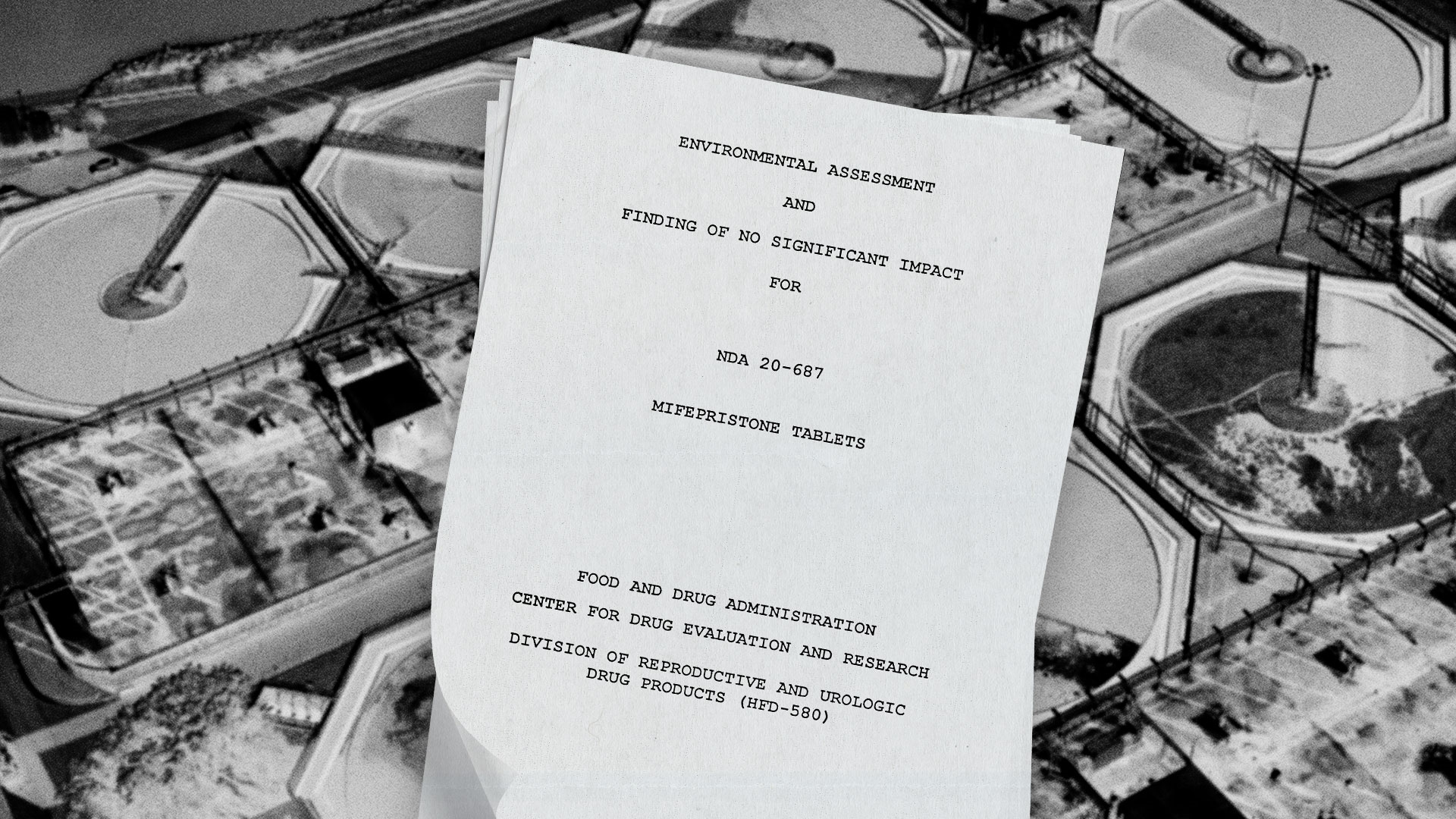
An environmental assessment conducted as a part of the FDA’s approval process for the drug estimated its environmental concentration to be less than one part per billion – an amount considered too low to affect standard test organisms. The FDA has described that estimate as conservative because it does not account for metabolism of the drug by the human body or the ability of wastewater treatment plants to remove pharmaceuticals from water. Despite a lack of evidence of harm, state lawmakers in Wyoming and Texas introduced bills earlier this year aiming to mandate testing of water supplies for excreted fetal tissue and abortion medication byproduct. As access to mifepristone remains at risk, these narratives and legislative efforts may contribute to further restrictions on abortion access through arguments not grounded in science and unrelated to medical safety or reproductive rights. Additionally, elevating these unproven claims to call for a federal investigation, despite the lack of scientific basis, could further erode trust in public health institutions and regulatory bodies.