A national Japanese survey reveals that people who acquire a dog for the first time walk more and connect more often by phone or online, shedding light on how dog ownership may shape everyday social and physical behaviors.
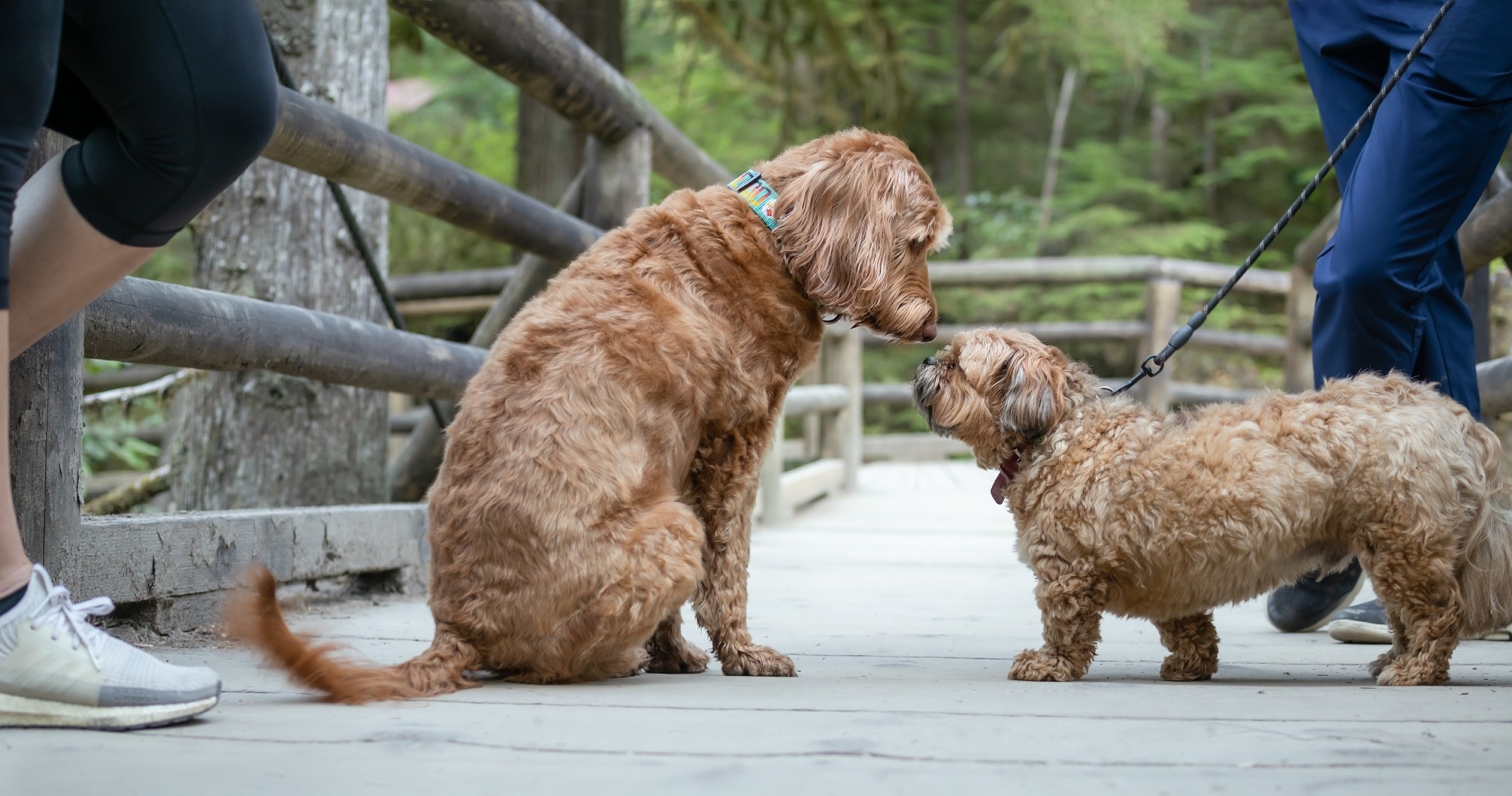
Study: Association of new dog ownership with physical activity and social contact: the retrospective study. Image Credit: sophiecat / Shutterstock
In a recent study published in the journal Scientific Reports, researchers investigated whether individuals who became first-time dog owners experienced changes in social contact and physical activity over the course of one year.
The study found that new dog owners showed significant increases in non-face-to-face social contact and walking activity. These findings suggest that first-time dog ownership may be associated with changes in social engagement and physical activity.
Health Links Between Dog Ownership and Lifestyle
Dog ownership has been widely linked to better physical, cognitive, and social health outcomes.
Previous research indicates that dog owners tend to be more physically active and socially engaged, with dog walking often identified as a key mechanism. Some studies have also suggested that dog ownership may reduce the risk of conditions such as dementia, particularly when combined with regular exercise and social interaction. However, these health outcomes were not directly assessed in the present study.
Gaps in Evidence on New Dog Owners
Most existing studies have not clearly distinguished between first-time dog owners and individuals with previous dog ownership experience.
This distinction is important because people who previously owned dogs may already have established walking routines or social habits. As a result, it has remained unclear whether acquiring a dog leads to measurable changes in behavior over time, particularly with respect to social interaction.
Study Design and Participant Groups
To address this gap, the researchers focused specifically on first-time dog owners and compared their changes in physical activity and social contact with those observed among non-dog owners.
The study used data from an internet-based survey conducted in Japan in 2024. Participants aged 20 to 79 years were recruited nationwide and provided informed consent online.
The final sample included 1,210 participants. Among them, 81 were first-time dog owners who had acquired a dog within the previous year. The comparison groups included 614 individuals without a dog at the time of the study but with prior dog ownership experience, and 515 individuals who had never owned a dog.
Measurement of Activity and Social Contact
Physical activity was assessed using the IPAQ Short Form, which measures vigorous activity, moderate activity, and walking in MET hours per week.
Social contact was evaluated based on the frequency of face-to-face and non-face-to-face interactions with neighbors and friends, scored on a scale from 0 to 7. Participants retrospectively reported their activity levels and social contact one year prior to the survey and at the time of data collection.
Demographic and psychosocial covariates included age, sex, income, region, living arrangement, occupation, marital status, depressive symptoms, and psychological well-being. Group differences were examined using analysis of variance and chi-square tests, while changes over time were analyzed using linear mixed models adjusted for relevant confounders.
Changes in Physical Activity and Social Interaction
The mean age of participants was 50.7 years, and slightly more than half were women. Among first-time dog owners, most owned toy-sized or small dogs, with relatively few medium or large dogs.
Walking activity increased significantly among new dog owners over the one-year period, while it declined or remained stable among both groups of non-dog owners. In contrast, moderate and vigorous physical activity showed only small or inconsistent changes across all groups.
Linear mixed-model analyses indicated that first-time dog owners experienced significantly greater increases in walking activity compared with individuals who had never owned a dog.
New dog owners also reported significant increases in non-face-to-face social contact, such as phone or online communication, compared with both non-dog-owning groups. Face-to-face social contact showed small increases among new dog owners, but these changes were not statistically significant, partly because similar increases were observed among non-dog owners.
Notably, non-dog owners with and without prior dog ownership showed similar patterns of change, suggesting that past dog ownership alone did not account for differences in activity or social engagement.
Interpretation, Strengths, and Limitations
The findings indicate that first-time dog ownership was associated with increased walking activity and greater social contact over one year.
These results support the hypothesis that acquiring a dog may encourage regular walking routines and broader social engagement, even beyond face-to-face interactions. The study extends prior evidence by demonstrating these associations specifically among individuals with no previous dog ownership experience.
Key strengths of the study include its focus on first-time dog owners and its simultaneous assessment of physical activity and social contact. Limitations include reliance on retrospective self-reporting, which may introduce recall or expectation bias; use of an internet-based survey, which may limit generalizability; and the small number of large-dog owners, which restricted subgroup analyses.
Overall, the study suggests that first-time dog ownership may be associated with distinct behavioral changes in physical activity and social engagement, helping clarify potential pathways linking dog ownership to health outcomes without establishing causality or directly measuring health effects.